
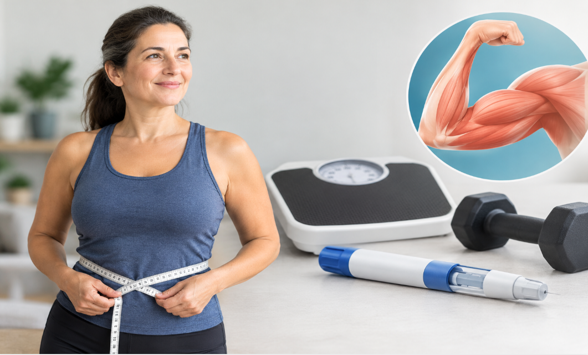
Summary: GLP-1 medications such as semaglutide and tirzepatide can support weight loss after 40, but some lean body mass may also be lost. Resistance training, adequate protein, and clinical monitoring help support muscle health. Personalised longevity coaching connects these priorities with recovery, body composition, and sustainable long-term performance.
After 40, losing fat is only half the battle. Maintaining muscle, strength, and metabolic health matters just as much. GLP-1 medications can help, but your strategy must protect what keeps you strong. I am here to guide you through this.
Is GLP-1 Weight Loss Safe for Muscle Health?
Yes, GLP-1 medications can support weight loss after 40. However, some lean body mass may be lost along the way. Your results depend on more than medication alone. Resistance training, adequate protein, recovery, and clinical monitoring all play a role.
When I look at cases involving body transformation after 40, I focus on more than the number on the scale. You want to lose excess fat without giving up the strength, energy, and physical capacity that support long-term health. That requires a plan built around your body, not a quick fix.
Why Does Weight Loss Become More Complicated After 40?
You may be eating less, exercising regularly, and still struggling with your waistline. Your recovery may take longer, too. Changes in activity, sleep, nutrition, hormones, and overall health can all affect your progress.
Here is the problem. If you lose weight without protecting muscle, you may become lighter without becoming stronger or healthier. Muscle supports movement, physical independence, and metabolic function. Your goal should be better body composition, not simply a smaller body.
Age does not automatically mean muscle loss is unavoidable. The way you train, eat, sleep, and manage your health can influence the outcome. This is why body recomposition needs a more considered approach than simply cutting calories and adding more cardio.
How Do Semaglutide and Tirzepatide Support Weight Loss?
GLP-1 receptor agonists act on pathways involved in appetite and blood sugar regulation. They can help you feel full sooner and reduce hunger. For people who meet the medical criteria, this can make weight management more achievable.
Semaglutide activates GLP-1 receptors. Tirzepatide acts on both GIP and GLP-1 receptors. Both can produce significant weight loss when prescribed appropriately alongside nutrition and lifestyle support.
These medications can be valuable tools in obesity medicine. But they do not replace resistance training, provide all the nutrients your body needs, or guarantee that every kilogram lost comes from body fat. Medication addresses one part of the problem. Your wider plan must address the rest.
Why Lean Body Mass Needs Your Attention
Lean body mass includes muscle, water, organs, and other non-fat tissue. When this measurement falls during weight loss, it does not automatically mean you have lost the same amount of muscle. However, preserving muscle should remain a priority.
I look at the bigger picture. Are you getting stronger? Is your training performance holding up? Can you recover between sessions? These answers help you understand whether your approach supports your long-term goals.
How Do You Protect Muscle During GLP-1 Treatment?
Start with three priorities: resistance training, adequate protein, and sensible energy intake. These should work together, not compete with one another. Your program must also account for your training history, health, recovery, and daily schedule.
Resistance training provides a reason for your body to retain muscle. Protein supplies the building blocks needed to maintain and repair it. Adequate food and recovery help you keep training consistently. Remove one of these elements, and maintaining strength can become harder.
If your appetite drops, large meals may become difficult. Smaller meals with protein-rich foods can help. Eggs, fish, Greek yoghurt, tofu, and lean meat are practical options. A registered dietitian can help determine your protein needs, especially if you have other medical conditions.
What Should You Monitor During Treatment?
Do not rely on body weight alone. Track waist measurements, strength, training performance, energy, and recovery. Where appropriate, a body composition assessment can provide additional information about changes in fat mass and lean mass.
Your prescribing clinician may also recommend bloodwork based on your medical history and treatment. Blood glucose, kidney function, and other relevant markers may need review. No single blood test can tell you whether your muscles are healthy. Measurements, symptoms, and physical performance provide useful context.
Nausea, constipation, diarrhoea, and vomiting can occur with GLP-1-based treatments. Persistent symptoms may interfere with food intake and hydration. Severe or ongoing abdominal pain, repeated vomiting, or signs of dehydration warrant prompt medical assessment. Your prescriber should review potential risks before treatment begins.
Where Does Longevity Coaching Fit In?
I have more than four decades of experience in strength and performance, and my approach is built around the individual, not a standard program. Through personalised body composition coaching and consulting, I look at your training, nutrition, recovery, body composition, and long-term goals together.
For clients pursuing body recomposition after 40, the focus is practical progress. We identify what may be limiting results, establish clear priorities, and adjust the strategy as your needs change. Hormone-related concerns may also warrant discussion with an appropriate healthcare professional.
What About Hormones, Bloodwork, and Peptides?
Fatigue, declining strength, and poor recovery can have several causes. Hormonal changes may contribute, but they should not be assumed to explain every symptom. Proper assessment comes before decisions about treatment.
As a TRT performance coach, my role is to support your training and lifestyle strategy and put performance goals into context. Testosterone replacement therapy requires appropriate medical assessment and supervision. Coaching does not replace diagnosis or prescribing.
Similarly, as a peptide guidance consultant, I help clients understand the evidence, limitations, and questions surrounding proposed protocols. Many peptides promoted for muscle growth or longevity lack strong human evidence or established safety data. I favour informed decisions, realistic expectations, and collaboration with qualified healthcare professionals.
Is GLP-1 Treatment the Right Choice for You?
That depends on your medical history, weight-related health risks, treatment goals, and individual circumstances. A qualified prescriber can assess whether semaglutide, tirzepatide, or another approach is suitable.
Before starting, discuss how you will protect muscle, meet your nutritional needs, and monitor progress. Weight loss should support your ability to live and perform well, not leave you struggling to maintain strength. This is where expert guidance and a well-planned routine can make a practical difference.
Your Next Step
Protecting muscle during weight loss requires the right balance of medication, nutrition, training, and monitoring.
If you want a more personalised strategy, I invite you to work with me. I combine more than 40 years of hands-on strength training experience, and evidence-informed longevity consulting. Contact Kostas Kromidas at kostakromidas@gmail.com, call 1-604-338-1590, or explore my coaching programmes. If you are interested in working with me, you can also connect with me through my coaching programmes page.
My office is located at 777 Hornby St, Suite 600, Vancouver, BC V6Z 2N2 for those who would prefer to meet with me in person.
Frequently Asked Questions
1. Can GLP-1 medications cause muscle loss after 40?
Yes. Some lean body mass may be lost during treatment. Resistance training, adequate protein, and clinical monitoring can help you manage this risk.
2. How much protein should you eat during GLP-1 treatment?
Your needs depend on body size, activity, health, and goals. A registered dietitian can help establish a suitable intake and account for medical restrictions.
3. Is semaglutide better than tirzepatide for muscle preservation?
Neither should be selected solely for muscle preservation. Your prescriber should assess your health, treatment goals, risks, and wider weight-management plan.
4. Should you lift weights while taking GLP-1 medication?
Resistance training can help maintain muscle and strength. Your program should match your health, fitness level, recovery, and any symptoms experienced during treatment.
5. Can you regain weight after stopping GLP-1 medication?
Yes. Weight regain can occur after treatment stops. Ongoing nutrition planning, physical activity, and medical follow-up can help support long-term weight management.
About Kostas Kromidas
Kostas Kromidas is a Longevity and Performance Consultant with over 40 years of experience in strength training, nutrition, body composition, and recovery. His coaching combines established strength principles with personalised strategies for long-term health and performance.
Medical disclaimer: This article is for educational purposes and does not replace medical advice, diagnosis, or treatment. Medication and hormone-related decisions should be made with qualified healthcare professionals.