
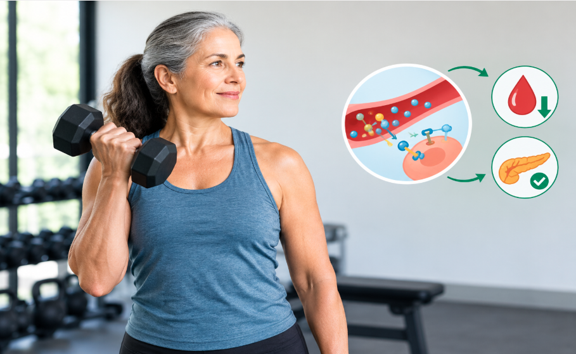
Summary: Strength training can improve insulin sensitivity by helping muscles use glucose and preserve lean mass. Adults over 35 can support metabolic health through resistance training, aerobic exercise, balanced nutrition, and recovery. Monitoring fasting glucose, HbA1c, waist circumference, and other risk factors helps guide informed decisions. Personalized coaching can complement, but never replace, appropriate medical care.
I often see people train harder, eat less, yet struggle with stubborn abdominal fat and rising blood glucose. The answer may involve muscle loss, insulin sensitivity, nutrition, sleep, and recovery—not simply doing more exercise.
Can Strength Training Improve Insulin Resistance?
Yes. Strength training can improve insulin sensitivity, help control blood glucose, and preserve muscle as you age. The best results come from combining progressive resistance training with appropriate nutrition, aerobic exercise, recovery, and medical care when needed.
I approach this as a long-term performance issue, not simply a weight-loss problem. You want to remain strong, maintain a healthy body composition, and protect your ability to perform well for years.
That requires understanding what is happening inside your body, not just changing your workout.
Why Does Insulin Resistance Become a Concern With Age?
Insulin helps move glucose from your bloodstream into your cells. Your body uses that glucose for energy or stores it for later use.
When your cells respond less effectively to insulin, your pancreas may need to produce more insulin to maintain normal blood glucose. This is called insulin resistance.
Muscle loss, reduced physical activity, excess abdominal fat, poor sleep, and some medical conditions can contribute to this problem. Age alone, however, does not make insulin resistance inevitable.
This is where strength training for longevity becomes relevant. Building and maintaining muscle supports physical performance while helping your body manage glucose more effectively.
How Does Muscle Help Regulate Blood Sugar?
Skeletal muscle is one of the body’s main sites for glucose disposal. When you contract your muscles during exercise, glucose transport into muscle cells increases.
This process partly involves GLUT4 transporters, which help move glucose from the bloodstream into muscle cells. Exercise can stimulate this process even when insulin action is impaired.
Resistance training also helps maintain muscle mass and the capacity to store glucose as glycogen. These adaptations support metabolic health, although individual responses vary.
Here is the practical point: muscle is not just about appearance. It is active tissue that helps your body manage energy, maintain strength, and support long-term health.
Which Metabolic Markers Should You Watch?
I would not judge your progress by body weight alone. A useful assessment considers body composition, physical performance, health history, and relevant metabolic markers.
Start by discussing these measures with your healthcare provider:
- Fasting blood glucose: In Canada, 6.1–6.9 mmol/L generally indicates impaired fasting glucose.
- HbA1c: This estimates average blood glucose over approximately two to three months. A result of 6.0–6.4% generally indicates prediabetes in Canadian practice.
- Waist circumference: This helps assess abdominal fat and related metabolic risk. Interpretation depends on sex, ethnicity, and clinical context.
- Blood pressure and lipid profile: These help identify other cardiovascular and metabolic risk factors.
- Body composition: Tracking fat mass and lean mass can show changes that the scale misses.
Abnormal results need proper clinical assessment. A single reading does not always establish a diagnosis, and your doctor may recommend repeat testing.
What Should Your Training Plan Include?
I favor a structured program built around your current ability, training history, recovery, and goals. For many adults, two or more weekly resistance sessions provide a practical starting point.
Use movements that train the major muscle groups. Squats, presses, rows, hinges, and suitable machine exercises can all contribute. The right exercise selection depends on your mobility, injuries, and experience.
Progress gradually. Improve technique first, then increase resistance or training volume as your body adapts. You do not need to exhaust yourself in every session to make progress.
Aerobic exercise belongs in the plan, too. Canadian adult guidelines recommend at least 150 minutes of moderate-to-vigorous aerobic activity weekly, alongside muscle-strengthening activities at least twice weekly.
Short walks after meals and regular movement breaks can also help manage post-meal glucose levels.
Why Nutrition and Recovery Cannot Be Ignored
Training provides the stimulus. Nutrition and recovery help your body adapt to it.
Build meals around suitable protein sources, vegetables, high-fiber carbohydrates, and healthy fats. Beans, lentils, oats, and whole grains can help you improve fiber intake and manage carbohydrate quality.
Your total energy intake matters as well. An aggressive calorie deficit may reduce body weight quickly, but it can also compromise training performance and increase the risk of losing lean mass.
Protein needs vary with age, activity, body size, kidney function, and medical history. A registered dietitian can help you establish an appropriate intake.
Sleep, stress management, and consistent recovery complete the picture. A program that you cannot maintain is unlikely to deliver lasting results.
General Fitness or Personalized Longevity Coaching?
A general fitness program may be enough if you are healthy, understand exercise technique, and need a consistent routine. You do not automatically need a specialized program to improve your fitness.
However, rising glucose levels, increasing waist circumference, stalled progress, or several competing health goals may call for a more individual approach.
My longevity coaching connects strength training, nutrition, body composition, recovery, and relevant health information. We consider your starting point, lifestyle, training demands, and existing medical care before deciding what deserves attention.
I also offer online longevity coaching for clients outside Vancouver, for those interested.
The goal is not to add complexity. It is to make each part of your plan serve a clear purpose.
Where Do Hormones and Peptides Fit?
Hormonal health may be relevant when changes in strength, energy, recovery, or body composition raise further questions. These symptoms alone, however, do not establish a hormone deficiency.
Testosterone replacement therapy (TRT) is appropriate for selected patients with compatible symptoms and consistently low testosterone confirmed through medical evaluation. It is not a routine treatment for aging or insulin resistance.
My background as a TRT performance coach informs how I approach training and hormone-related performance discussions. Diagnosis, prescribing, and treatment decisions belong with qualified healthcare professionals.
As a peptide guidance consultant, I also encourage informed decisions rather than assumptions about advanced protocols. Evidence and safety vary across peptides, and some products marketed for performance or longevity lack strong human evidence or approval for their intended use.
These options should never replace proven lifestyle measures or appropriate diabetes care.
Build a Strategy Around Your Metabolic Health
If your results have stalled, start by reviewing your training, nutrition, recovery, waist circumference, and relevant bloodwork. Discuss concerning results with your healthcare provider before making treatment decisions.
Then establish a realistic plan and track your progress over time. Strength, body composition, glucose markers, and recovery can provide a clearer picture than weight alone.
Strength training can support insulin sensitivity and long-term health, but lasting progress requires a plan that addresses your whole lifestyle.
I’m Kostas Kromidas. With over 40 years of hands-on experience, and an evidence-informed approach to hormone and peptide questions, I help clients develop personalized strategies. Email kostakromidas@gmail.com, call 1-604-338-1590, or visit https://www.kostakromidas.com/work-with-me/ to discuss your goals.
You can also get to book an assessment at – https://www.kostakromidas.com/work-with-me/ or even visit me at my office address at – 777 Hornby St, Suite 600, Vancouver, BC V6Z 2N2.
Frequently Asked Questions
1. Can strength training reverse insulin resistance?
Strength training can improve insulin sensitivity and glucose control. However, results vary, and some people also need nutrition changes, medication, weight management, or other medical care.
2. How often should I lift weights to improve insulin sensitivity?
Two or more resistance-training sessions each week provide a useful starting point. Your program should reflect your current ability, medical history, recovery, and training experience.
3. Can walking help reduce insulin resistance?
Yes. Regular walking supports glucose regulation and cardiovascular health. Combining aerobic activity with resistance training provides additional benefits for muscle function, fitness, and metabolic health.
4. Which blood tests should I discuss with my doctor?
Ask about fasting blood glucose, HbA1c, and a lipid profile. Your doctor can recommend additional tests based on your symptoms, medical history, and existing risk factors.
5. Do TRT or peptides treat insulin resistance?
Neither should be used routinely for this purpose. TRT requires an appropriate medical diagnosis, while peptide evidence and safety vary. Qualified healthcare professionals should oversee medical treatment.
About Kostas Kromidas
Kostas Kromidas is a Longevity and Performance Consultant with over 40 years of experience in strength training, nutrition, body composition, and recovery. His personalized coaching supports sustainable performance and long-term physical health.
Medical disclaimer: This article is for educational purposes and does not replace medical advice, diagnosis, or treatment. Medication and hormone-related decisions should be made with qualified healthcare professionals.